

Some loan officers reading this also explore tools like these — only if the problem matches yours.
Not sure which path fits? Ask the assistant — no pitch, just clarity.
MLO Production Strategy Blueprint: While buyers search for these loan guidelines, top-producing Mortgage Loan Officers use automated capture pipelines to convert high-intent searchers into exclusive pre-approvals. Learn how YPN USA automates lead routing and MLO pipeline conversion below.
Table of Contents:
- 1. Executive Overview & Market Impact
- 2. Core Execution Strategies
- 3. Conversion Tech Stack & Next Steps
Live transfer mortgage leads put a borrower on the phone with you in real time, which is why they cost $65 to $250 per transfer. The premium buys a conversation, not just a data record. But the same label gets slapped on everything from genuine warm handoffs to call center mills dialing aged lists and patching through whoever picks up. Understanding how transfers are sourced, what drives the price, and what contact-to-app rates to actually expect is the difference between a pipeline that scales and a budget that bleeds.
How Live Transfer Mortgage Leads Are Sourced

Every live transfer starts with a borrower expressing interest somewhere, then ends with a phone call patched to your line. What happens in between determines whether you bought a real transfer or a dressed-up shared lead. There are four primary sourcing channels, and they are not created equal.
Paid Media Landing Pages
The vendor runs Facebook, Google, or native display ads driving traffic to a landing page with a mortgage offer. The borrower fills out a short form: loan purpose, estimated credit range, property type, contact info. A call center agent calls the borrower within minutes, confirms interest, and warm-transfers to your line. This is the most common sourcing method for mid-tier transfer vendors. The borrower’s intent is genuine but shallow: they filled out a form after clicking an ad, which means they are shopping, not necessarily committed. The quality of the transfer depends heavily on how aggressive the ad was. “See if you qualify for a lower payment” produces a very different borrower than “Compare refinance rates today.”
Co-Registration Networks
Co-registration means the borrower was filling out a form for something else entirely, maybe a contest entry, a coupon site, or a financial calculator, and checked a box opting into mortgage information. A call center then dials that borrower, qualifies them, and transfers. These leads are cheaper for the vendor to acquire, which is why co-reg transfers sometimes price below $80. The problem is borrower intent. Someone who checked a box on a sweepstakes form is not the same as someone who searched “mortgage pre-approval.” Contact rates hold up because the borrower is on the phone, but application rates and pull-through rates suffer because the shopping intent was thin to begin with.
Call Center Outbound Dialing
Here is where the label “live transfer” gets abused. Some vendors buy aged leads, data lists, or trigger records, then have call center agents cold-call those records. When a borrower happens to answer and expresses mild interest, the agent “transfers” the call to you. Technically, the borrower is on the line. But this is not a live transfer in the way most LOs expect. The borrower was not actively shopping. They were dialed from a list. The transfer is a cold call that happened to connect, not a warm handoff from an inbound inquiry. The telltale sign: the vendor cannot produce an inbound call recording or a form submission timestamp predating the dial. If the first interaction was an outbound call, you are paying transfer pricing for a cold dial.
Inbound Phone Campaigns
The gold standard. The vendor runs TV, radio, direct mail, or paid search driving borrowers to call a toll-free number. An agent answers, qualifies on a scripted vetting call, and transfers to you while the borrower is still on the line. The borrower initiated the contact. Their intent is high. They raised their hand and asked to speak with a lender. Inbound-sourced transfers convert at meaningfully higher rates than outbound-dialed transfers because the borrower is not being interrupted, they are calling in. These transfers sit at the top of the pricing band, $150 to $250, and for good reason.
True Live Transfer vs. Dressed-Up Shared Lead
The distinction that matters most: was the borrower actively shopping when the transfer happened, or were they dialed from a list and patched through? A true live transfer means the borrower took an inbound action, submitted a form or called a number, got qualified by a live agent, and was transferred in real time. The timeline from intent to transfer is minutes, not days. A dressed-up shared lead means the vendor bought a data record from an aggregator, had a call center dial it, and transferred whoever answered. The borrower may not have been shopping at all. The label says “live transfer.” The economics say shared lead with extra steps. Ask for the source trail: where did the borrower’s information originate, and how long between that initial action and the transfer to your line? If the answer is “we dialed a list,” you are not buying what you think you are buying.
What You’re Actually Paying For

The price per transfer is a stack of costs the vendor passes through to you, plus their margin. Break it apart and you can see exactly what you are buying, and where vendors cut corners to hit a lower price point.
The Cost Stack Behind Every Transfer
Media and acquisition cost is the first layer. The vendor pays for the ads, landing pages, or data that generate the initial borrower inquiry. Inbound phone campaigns cost more to run than co-registration forms because the media is more expensive and the intent signal is stronger. Call center labor is the second layer: the agents who answer inbound calls or make outbound dials, qualify the borrower, and execute the warm transfer. Nearshore call center labor runs $12 to $18 per agent hour fully loaded, according to published vendor data. Transfer technology is the third layer: the telephony platform that patches calls, records conversations, and routes to the right LO. QA and verification is the fourth layer: listening to recordings, scrubbing against DNC lists, confirming the borrower meets the qualification rubric. The final layer is the premium for real-time human contact: you are paying for a borrower on the line right now, not a name in a database you have to chase.
Pricing Comparison Across Lead Types
Here is how live transfer pricing stacks up against other lead sources, using blended industry ranges. For a deeper breakdown of what drives each price tier, see our mortgage leads cost benchmarks by source.
| Lead Type | Cost Per Lead | Contact Rate | Typical App Rate | What You’re Buying |
|---|---|---|---|---|
| Fully Shared (4-5 LOs) | $15-$30 | ~25% | 0.5-2% | A name sold to everyone |
| Aged Leads (30/60/90) | $0.25-$5 | 5-15% | 0.5-1% | A recycled record |
| Exclusive Internet Lead | $50-$150 | 55-70% | 3-5% | A form fill, yours alone |
| Live Transfer (outbound-dialed) | $65-$120 | 80-90% | 5-10% | A call patched from a dial list |
| Live Transfer (inbound-sourced) | $150-$250+ | 90-100% | 10-20% | A borrower who called in |
| Life-Stage Triggered Exclusive | $75-$200 | 50-65% | 3-5% | A borrower in transition, yours alone |
Read the table left to right and the pattern is the same one we see across every lead type: as contact rate climbs, sticker price climbs, but cost per funded loan usually moves the other direction. A $20 shared lead with a 25% contact rate costs $80 per conversation. A $150 inbound transfer with a 95% contact rate costs $158 per conversation. The shared lead is cheaper per lead and more expensive per conversation. For the full math on how contact rate and competition dilute your cost per funded loan, see our breakdown on exclusive vs shared mortgage leads and real cost math.
Contact-to-App Rates: Realistic Benchmarks
Vendors quote live transfer contact rates of 80% to 100%, and those numbers are technically accurate: the borrower is on the phone when the transfer happens, so the contact rate at the moment of transfer is near-total. But contact rate is not conversion rate. The numbers that determine whether your transfer program makes money are the app-take rate and the funded-loan rate, and those look very different.
Honest Benchmarks by Lead Type
Here is what realistic performance looks like, drawn from published industry benchmarks and broker panel data. These are not vendor marketing claims. They are blended medians, not best-case outliers.
| Lead Type | Contact Rate | App-Take Rate | Funded Rate | Est. CPFL |
|---|---|---|---|---|
| Fully Shared | ~25% | 1-3% | 0.5-1.5% | $2,000-$10,000+ |
| Aged (30/60/90) | 5-15% | 0.5-2% | 0.25-1% | $5,000-$20,000 |
| Exclusive Internet | 55-70% | 5-10% | 3-5% | $1,000-$3,500 |
| Live Transfer (outbound) | 80-90% | 5-12% | 3-8% | $1,500-$4,000 |
| Live Transfer (inbound) | 90-100% | 10-20% | 5-10% | $1,500-$5,000 |
| Life-Stage Triggered | 50-65% | 5-10% | 3-5% | $1,500-$4,000 |
Why a 90% Contact Rate Can Still Underperform
Here is the counterintuitive part that catches most LOs off guard. A $200 inbound transfer with a 90% contact rate can still underperform a $100 exclusive internet lead with a 60% contact rate, depending on borrower intent and your follow-up process. The transfer gives you a conversation. It does not guarantee that conversation is with a borrower ready to apply today. If the transfer was sourced from a co-registration form, the borrower may have been casually browsing and is now on the phone because a call center agent dialed them, not because they were ready to move. Your app-take rate on that transfer might be 5%, not 15%. Run the math: a $200 transfer at 90% contact and 5% app-take and 4% funded rate gives you a CPFL of $5,555. A $100 exclusive internet lead at 60% contact and 8% app-take and 5% funded rate gives you a CPFL of $4,166. The cheaper lead wins because the borrower intent was stronger, even though the contact rate was lower.
The lesson is not that live transfers are bad. It is that contact rate is the wrong metric to optimize in isolation. The real variables are borrower intent quality, how fast you can take the application once the transfer lands, and whether the borrower has been shopped to other lenders before the transfer. A transfer sourced from an inbound call where the borrower dialed a number after seeing a TV ad will outperform a transfer sourced from a co-registration form every time, even though both carry the “live transfer” label and both show a 90%+ contact rate.
The Speed-to-App Multiplier
On a live transfer, speed-to-lead is effectively zero: the borrower is on the phone now. But speed-to-app is not. If you fumble the handoff, put the borrower on hold, or fail to transition from the qualification script into a loan application conversation within the first two minutes, the borrower’s attention decays fast. Research on speed-to-contact shows that conversion rates drop by roughly half between 5 minutes and 60 minutes of delay. On a transfer, you are already at minute zero, so the window to convert that conversation into an application is tight. LOs who treat transfers as “warm handoffs” and spend five minutes building rapport before getting to loan details lose more borrowers than they close. The borrowers who transfer in are ready to talk numbers. Get to the numbers.
Vendor QA Questions That Expose Weak Operations
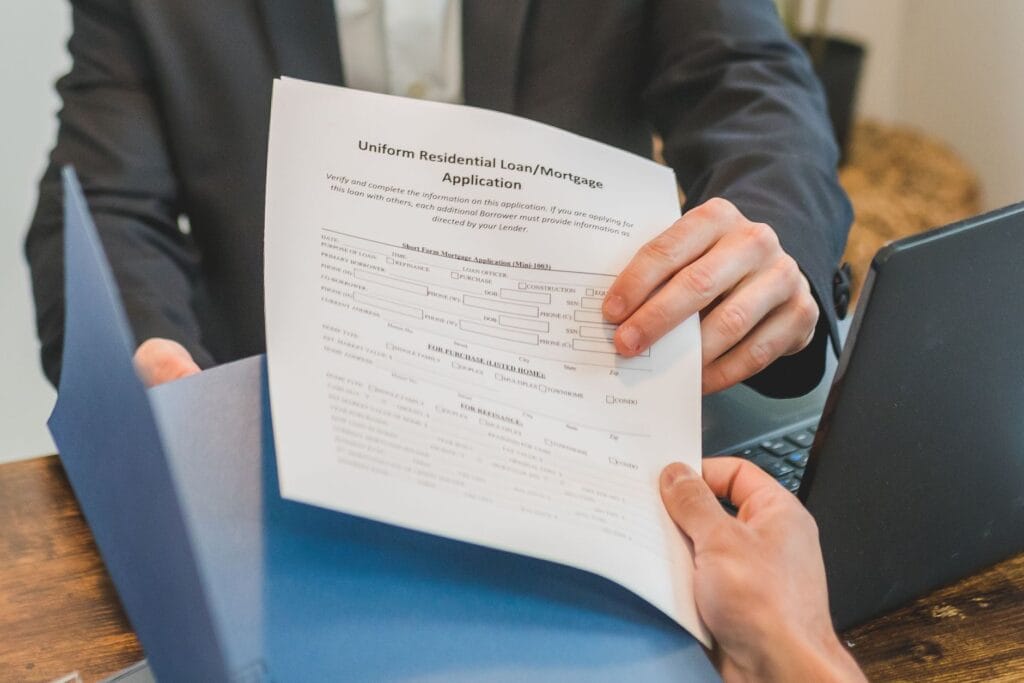
Most LOs evaluate transfer vendors on price and volume promises. The vendors who deliver the worst leads are the best at answering those questions. The questions that actually separate a legitimate transfer shop from a call center mill are operational, and most vendors will not have clean answers to all of them. Ask these before you wire a dollar.
Are Your Transfers Sourced Inbound or Outbound?
This is the single most important question. Inbound means the borrower called the vendor or submitted a form and the vendor called them back within minutes. Outbound means the vendor dialed a list. The answer determines whether you are buying a warm handoff or a cold call with a transfer sticker on it. If the vendor says “both,” ask for the split: what percentage of transfers come from inbound vs outbound. Anything below 50% inbound means the majority of your transfers are dialed from lists, and the borrower was not actively shopping when the call happened.
Can I Listen to Transfer Recordings?
A legitimate transfer shop records every call: the qualification, the vetting script, and the warm handoff. They should be able to send you 10 random recordings from the past week within 24 hours. Listen for three things: did the borrower sound like they were actively shopping, or surprised to be on the phone? Did the agent follow a structured qualification script, or just ask a couple of questions and patch the call? Did the agent disclose that the call would be transferred to a licensed loan officer? If the vendor cannot produce recordings, they either are not recording calls, which means no QA, or they do not want you to hear what their agents actually say on the dial. Either way, that is your answer.
What’s Your Vetting Script?
Ask for the exact qualification script the call center agents use. A serious vendor will hand it over because the script is their product. Look for these elements: loan purpose (purchase, refi, cash-out), estimated credit range (self-disclosure, not a pull), employment status, property type, timeline (30/60/90 days), and consent to transfer. If the script is 4 lines and the agent’s job is to patch the call as fast as possible, you are buying speed, not qualification. The vetting script is where the vendor either adds value or just acts as a switchboard.
What’s the Average Time From Lead Capture to Transfer?
For inbound-sourced transfers, the answer should be under 5 minutes. The borrower submits a form or calls in, the agent qualifies, and the transfer happens while intent is fresh. If the vendor says 30 minutes or more, the borrower’s shopping momentum has already decayed. For outbound-dialed transfers, ask how fresh the list is. If they are dialing 30-day-old data, the borrower has likely already been contacted by other LOs, and your “exclusive” transfer is actually a shared conversation. For more on how lead age destroys contact rates, see our mortgage leads cost breakdown, which covers the price cliff between real-time and aged data.
What Happens If the Borrower Doesn’t Pick Up After Transfer?
Some transfers go to voicemail. The borrower was on the line with the agent, got transferred, and your phone rang but you missed it. What happens next? Does the vendor re-queue the borrower for a second transfer attempt? Do you get a credit? Is the lead data delivered to your CRM so you can follow up manually? The vendors with strong operations have a clear policy: missed transfers get re-attempted within 15 minutes or credited back. Vendors with weak operations shrug and say “we transferred the call, not our problem after that.” Get the policy in writing.
What’s Your Definition of a ‘Qualified’ Transfer?
Every vendor has a qualification rubric. Most will not share it unless you ask directly. The rubric should include: loan purpose, self-disclosed credit range, employment status, property type, target loan amount, and timeline. It should also include TCPA consent confirmation and DNC scrub. If the vendor’s definition of “qualified” is “the borrower answered the phone and said they are interested in a mortgage,” you are paying premium prices for a dial that connected. The qualification rubric is the difference between a $65 transfer and a $200 transfer. The $65 transfer connected a body to a phone line. The $200 transfer connected a vetted borrower with a specific loan need, confirmed timeline, and documented consent.
Is the Transfer Exclusive or Shared?
Yes, even live transfers get shared. Some vendors sell the same transfer to two or three LOs and let the first one to answer keep it. Others sell an exclusive transfer at a 30% to 60% premium. If you are paying $200 for a transfer and the vendor is also patching the same borrower to two other LOs, you are in a footrace you paid to enter, same as with shared internet leads. Demand exclusivity in the contract, and ask whether the borrower has been transferred to any other LOs in the past 24 hours. For a framework on evaluating vendor exclusivity claims across all lead types, see our guide on how to evaluate mortgage lead generation companies.
The Bottom Line on Live Transfer Leads
Live transfer mortgage leads solve a real problem: they hand you a conversation instead of a data record you have to chase. For LOs without an inside sales team or a dialer, that is worth paying for. But the premium only pencils out when the transfer is sourced from genuine borrower intent, qualified on a real vetting script, and delivered exclusively. A $65 outbound-dialed transfer from a co-registration list is not the same product as a $200 inbound-sourced transfer from a borrower who called a number after seeing an ad. The label says “live transfer” on both. The economics say otherwise. Run the CPFL math on every transfer source before you scale spend, test with a controlled sample of 25 to 50 transfers, and demand recordings before you commit.
If you are comparing live transfers against exclusive internet leads or life-stage triggered leads, the same CPFL formula applies. YPN USA offers life-stage triggered mortgage leads built from public record events like probate filings and divorce records. These surface borrowers entering a financial transition that creates a concrete mortgage need, sold to one LO per ZIP with no resale and no time-limited window. You can check whether your ZIP is still available before committing.
Two ways to move forward: check your county’s available lead volume for free to validate the opportunity in your market, or claim your ZIP for exclusive life-stage triggered leads with a higher contact-to-close rate than call-center transfers. YPN USA limits one loan officer per ZIP code, first come, first served. Cancel anytime. Equal Housing Opportunity. NMLS #787257.
Frequently Asked Questions
Are live transfer mortgage leads worth the premium?
They can be, but only when sourced from genuine borrower intent and delivered exclusively. An inbound-sourced transfer where the borrower called in after seeing an ad is worth $200. An outbound-dialed transfer from a co-registration list is not worth $65. Run the CPFL math on a 25-50 transfer sample before scaling spend.
What is a fair price for a live transfer mortgage lead?
Industry pricing ranges from $65 for outbound-dialed transfers to $250+ for inbound-sourced exclusive transfers. The price is driven by sourcing method (inbound vs outbound), qualification depth, exclusivity, and loan purpose. Purchase intent transfers command the top of the band. Refi transfers price at the bottom.
How do I know if a vendor is just calling shared leads and calling them live transfers?
Ask whether transfers are sourced inbound or outbound. If the majority are outbound-dialed from purchased lists, the vendor is patching cold calls and labeling them transfers. Demand transfer recordings and listen for whether the borrower sounds like they were actively shopping or surprised to be on the phone.
What contact rate should I expect from live transfer mortgage leads?
Contact rate at the moment of transfer is 80% to 100% because the borrower is on the line. But contact rate is not conversion rate. Realistic app-take rates run 5-12% for outbound-sourced transfers and 10-20% for inbound-sourced transfers. Funded loan rates run 3-10% depending on borrower intent quality and your speed-to-app.
Ready to Scale Your Mortgage Pipeline?
Automate cold lead acquisition, instant follow-ups, and MLO workflow systems with YPN USA.
Schedule a Demo TodayScale Your Mortgage Pipeline with YPN USA
Automate cold lead acquisition, instant SMS/email follow-ups, and AI workflow management for MLOs.
Schedule a Demo TodayExplore Top MLO Platform Comparisons
Scale Your Mortgage Pipeline with YPN USA
Automate cold lead acquisition, instant SMS/email follow-ups, and AI workflow management for MLOs.
Schedule a Demo TodayExplore Top MLO Platform Comparisons
Next Steps in the MLO Automation Series:
- Previous Guide: Aged Mortgage Leads: ROI Math, Cadence, Compliance
- Next Guide: How to Evaluate the Best Mortgage Lead Generation Companies
3. Conversion Tech Stack & Next Steps
Books that sharpen your edge
- $100M Leads by Alex Hormozi — The modern lead-generation playbook
- Never Split the Difference by Chris Voss — Negotiation skills for rate conversations and Realtor deals
- Fanatical Prospecting by Jeb Blount — The discipline of keeping your pipeline full
- Full Focus Planner — Daily execution system for solo producers
As an Amazon Associate, YPN USA earns from qualifying purchases. Recommendations are independent of price.
Is your ZIP code still open?
One loan officer per territory — exclusive borrower leads, no shared pools. Check availability free. No credit card.
Check My ZIP →